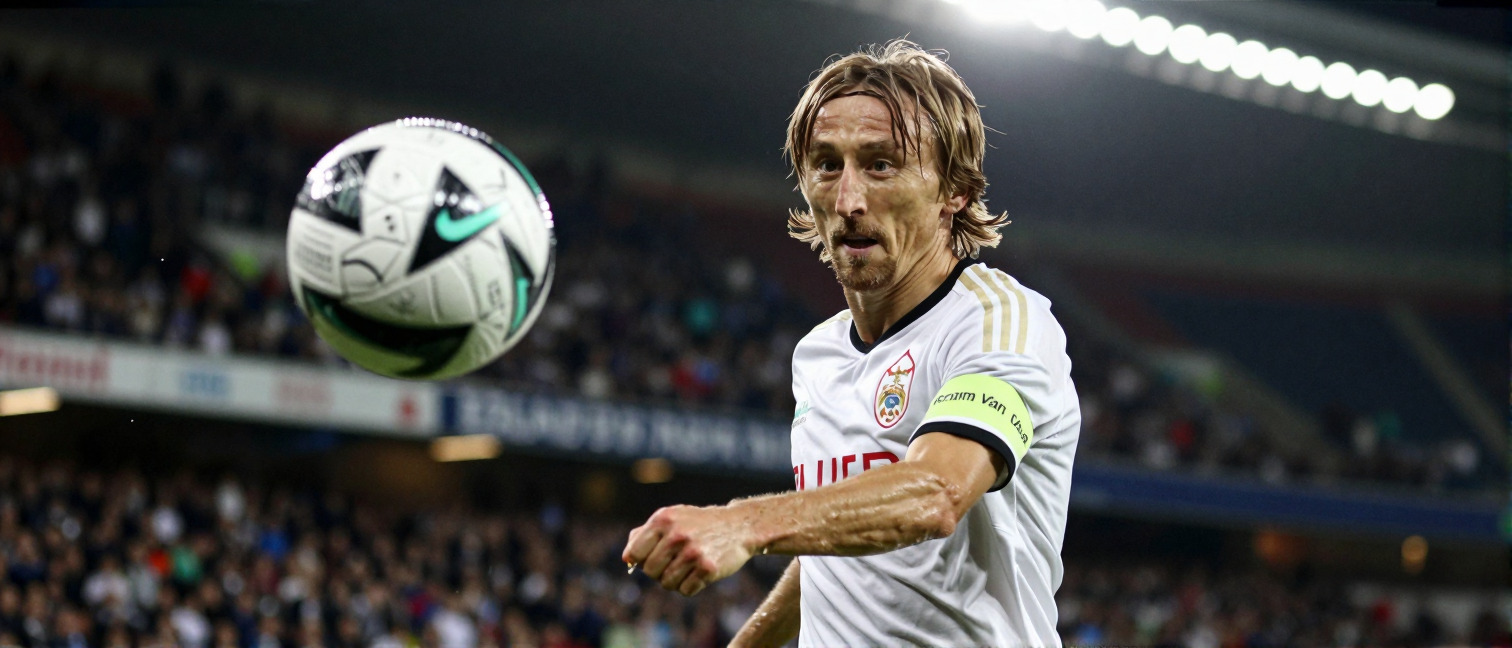
Luka Modrić condemned the VAR decision that awarded a late penalty to Spain, sealing Croatia’s 2‑1 loss on 23 June 2024 in the Euro 2024 round of 32. The midfielder’s outburst highlighted growing frustration with video‑assisted refereeing in high‑stakes knockout matches.
What happened?
On 23 June 2024, Croatia faced Spain at the Allianz Arena in Munich. The match was dead‑locked at 1‑1 when, in the 84th minute, referee Daniel Siebert pointed to the penalty spot after a VAR review. The spot‑kick was converted by Álvaro Morata, giving Spain a 2‑1 advantage that they held until the final whistle. Modrić, who had been battling a hamstring all week, shouted at the stadium microphones, “This is a disaster for football!” and accused VAR of ruining the game.
Why it matters for Luka Modrić
Modrić, 38, is Croatia’s captain and midfield lynchpin. His criticism carries weight because he has endured three World Cups and two European Championships. The penalty decision not only knocked Croatia out of the tournament but also sparked a broader conversation about the technology’s impact on player flow. For Modrić, who relies on rhythm and timing, a disruptive VAR call can alter the tactical balance he strives to maintain.
How the incident fits into the VAR debate
The VAR system was introduced to eliminate clear errors, yet critics argue it creates new controversies. In this case, the replay showed a slight contact between Dani Olmo and Modrić in the box, but many pundits, including former referee Mark Clattenburg, called the penalty “questionable.” Modrić’s outburst echoes previous complaints from top players like Lionel Messi and Cristiano Ronaldo, who have both labeled VAR “a nightmare” when it interferes with natural play.
What comes next?
Croatia will now turn its focus to the Nations League, with Modrić expected to lead the side in the upcoming September fixtures. The Croatian Football Federation has promised to lodge an official appeal regarding the penalty, though UEFA’s disciplinary committee rarely overturns on‑field decisions. Meanwhile, UEFA announced a review of VAR protocols ahead of the 2026 World Cup, citing the need for clearer guidelines.
Fan reaction and media coverage
Social media erupted after Modrić’s tirade. Over 200 000 tweets used #ModrićVsVAR within hours, many demanding a pause on the technology. Spanish outlets defended the call, pointing to the “obvious foul” on the replay. British newspapers ran front‑page pieces titled “Modrić’s VAR fury fuels debate,” underscoring the global reach of the controversy.
Potential impact on Modrić’s legacy
At 38, Modrić is already considered one of Croatia’s all‑time greats. Speaking out against VAR adds a new chapter to his narrative—one of a veteran willing to challenge the system that governs modern football. Whether this moment will be remembered as a catalyst for change or just another post‑match rant depends on how quickly governing bodies respond.
Key takeaway: Luka Modrić’s vocal protest after the 2‑1 defeat on 23 June 2024 spotlights the ongoing tension between technology and tradition in elite soccer, and it may influence how VAR is applied in future tournaments.